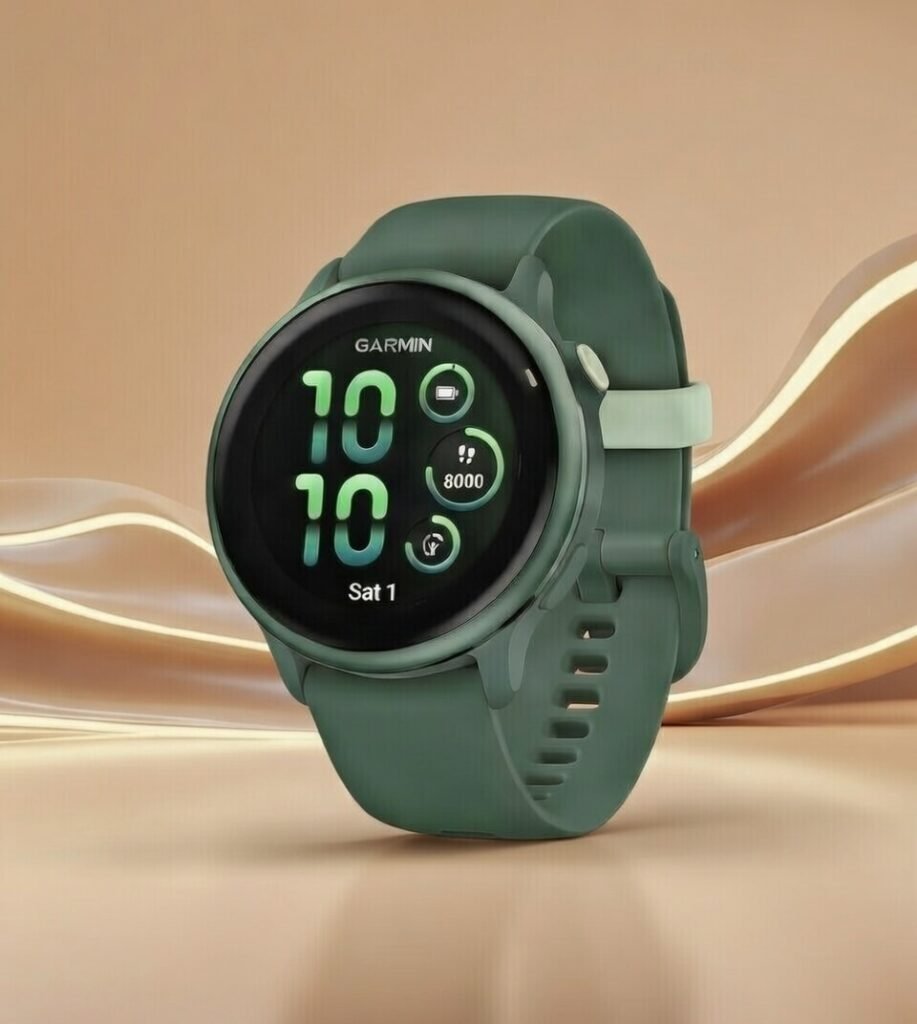
Garmin Vivoactive 6 Article
The Garmin Vivoactive 6 emerges as a noteworthy player in the crowded market of fitness trackers and smartwatches. Building upon the legacy of its predecessor models, this latest edition comes equipped with advanced features that cater to fitness enthusiasts and casual users alike. With a refined 41mm design and a vibrant 1.2-inch AMOLED display, the device offers not only a sleek aesthetic but also an intuitive user interface. This high-resolution screen ensures that all metrics, whether displaying workout statistics or notifications, are easily visible, thereby enhancing the user experience.
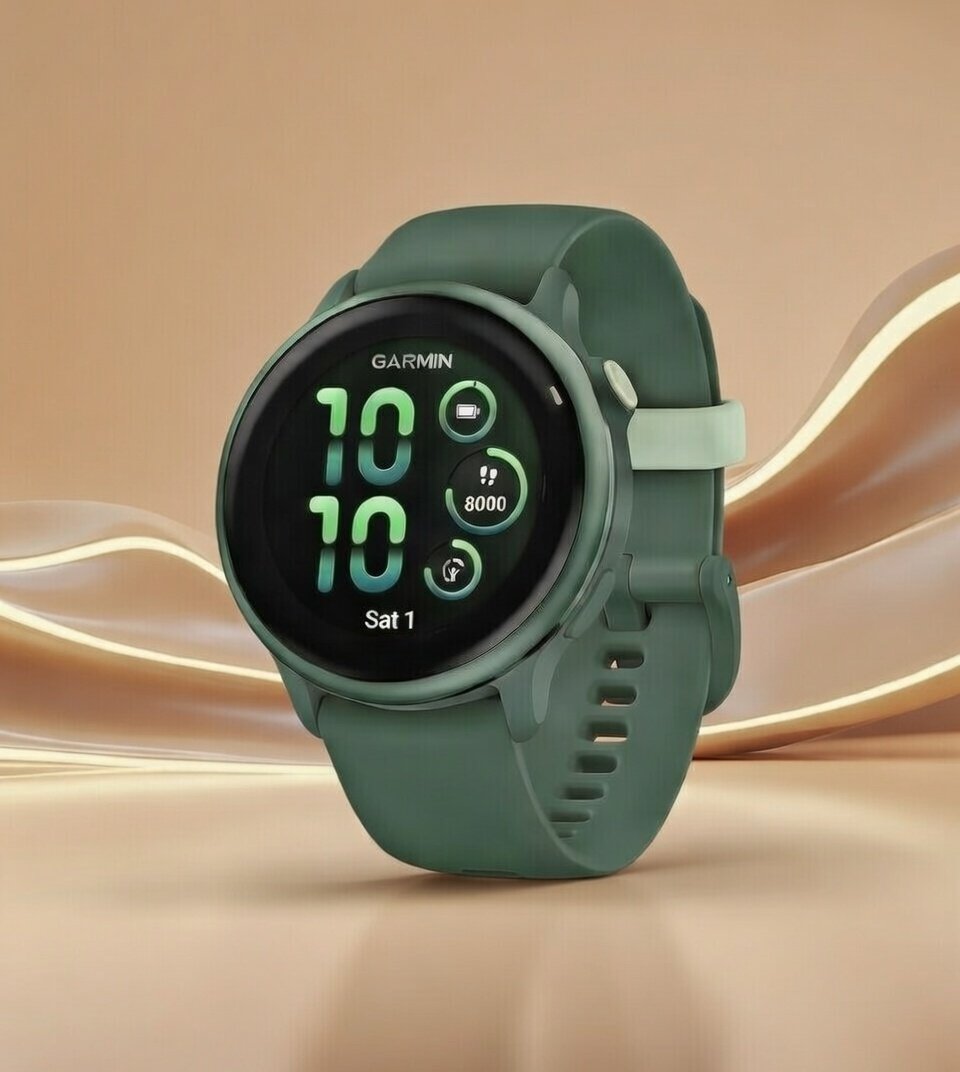
In terms of functionality, the Vivoactive 6 retains the hallmark qualities of Garmin devices while incorporating significant improvements. One of the standout elements is the GPS capability, which offers accurate tracking of outdoor activities such as walking and running. The addition of the PacePro feature is a game changer for athletes who want to optimize their performance; this tool helps users maintain their desired pace during workouts. Furthermore, the device is designed with users’ fitness goals in mind, supporting a variety of workouts, including cycling and swimming, all of which can be monitored through the versatile sport watch.
Battery life remains a critical factor for smartwatch users, and the Vivoactive 6 does not disappoint in this regard. Extended battery life allows for more prolonged periods of activity tracking without the frequent need for recharging, thus supporting longer hiking trips or intensive training sessions. However, as with any device, it is vital to explore both the advantages and limitations that come with this smartwatch. In this review, we will delve deeper into the features that make the Garmin Vivoactive 6 a compelling option for fitness tracking, while also discussing any drawbacks that prospective users should consider.
Key Features and Advantages
The Garmin Vivoactive 6 has gained recognition not only due to its aesthetic appeal but also for its impressive array of features that cater to fitness enthusiasts and casual users alike. One of its most notable aspects is the advanced Gen 4 heart rate sensor, which provides accurate and real-time heart rate monitoring. This feature is particularly beneficial for those engaged in various fitness activities, such as walking or running, enabling them to maintain optimal exercise intensity.
Additionally, the device boasts an impressive battery life of up to 10 days in smartwatch mode and around 21 hours when utilizing GPS. Users can take advantage of extended outdoor activities without the constant worry of charging, enhancing their experience during workouts or adventures.
Advanced features like smart wake alarms allow for a more refined wake-up experience, while the built-in compass and up ahead waypoints add practicality for outdoor explorations. Runners can benefit significantly from the running dynamics measurements available on the Vivoactive 6, offering insights that help in improving their pace and overall performance.
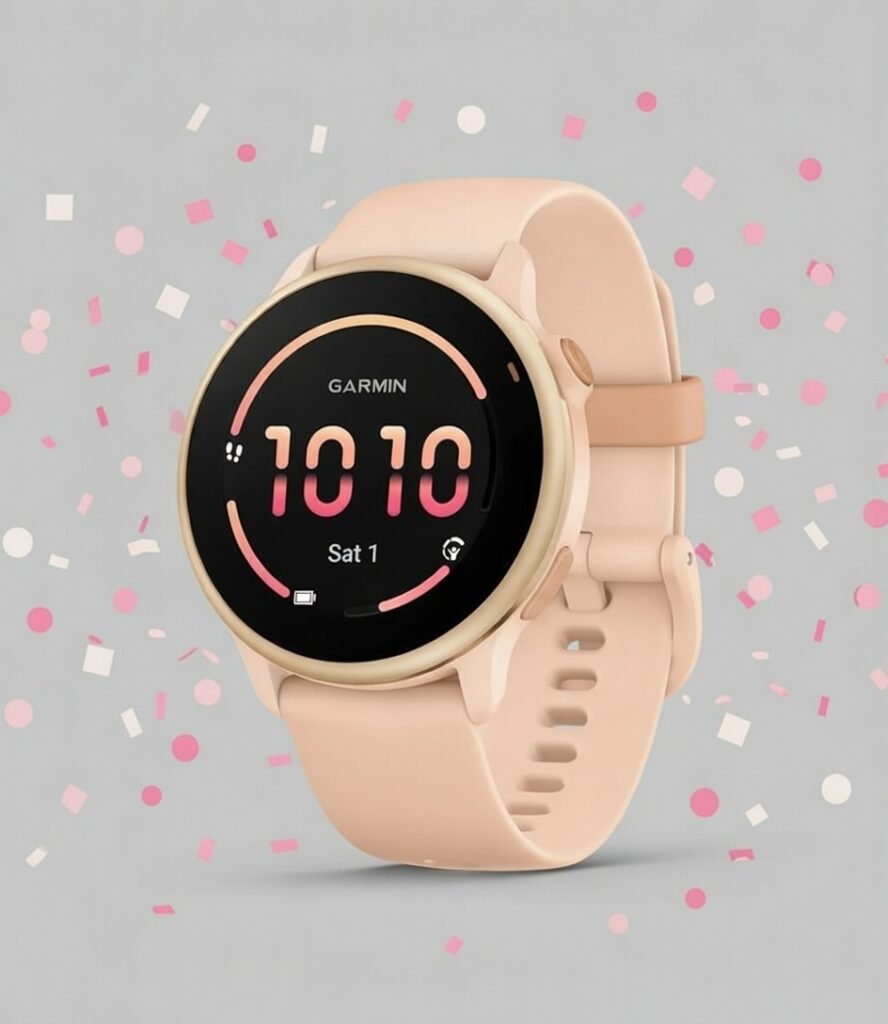
Moreover, the watch includes visually engaging workout animations that make exercise routines more appealing and easier to follow. Users can store up to 8 GB of music directly on the device, allowing for a seamless auditory experience while they work out, whether it be running or engaging in other fitness activities.
Lastly, the ability to log daily behaviors is another advantage of the Garmin Vivoactive 6. This holistic approach not only helps users track their physical fitness but also promotes a more comprehensive understanding of their overall health and lifestyle choices.
Drawbacks and Limitations
The Garmin Vivoactive 6, while brimming with features that appeal to fitness enthusiasts, is not without its drawbacks. Priced at $249, there are several color options, but depending on the color, it could be priced differently, the watch positions itself in a competitive market filled with various GPS-enabled sport watches. At this price point, potential buyers might question whether the Vivoactive 6 offers sufficient value for money compared to its rivals. Some competitors offer similar functionalities at lower prices, which may lead consumers to consider alternative options that could deliver comparable features with enhanced cost-effectiveness.
One notable limitation of the Garmin Vivoactive 6 is the absence of offline maps. For athletes who prefer to explore less-traveled routes during their workouts, relying solely on real-time GPS can pose challenges. The inability to download maps for offline use could hinder the experience for those engaged in outdoor activities, such as hiking or mountain biking, thus limiting their freedom to navigate uncharted territories effectively.
Furthermore, the Vivoactive 6 lacks stair tracking capabilities, a feature commonly sought after by users who value comprehensive fitness tracking. While the watch does an admirable job of tracking running and walking statistics, the omission of stair counting may disappoint users seeking a more detailed overview of their daily activity levels. Stair tracking contributes significantly to overall fitness metrics, particularly for those who incorporate vertical workouts into their routines.
In light of these drawbacks, potential buyers must weigh the Garmin Vivoactive 6’s impressive specifications against its limitations. The features it does offer, such as customizable workouts and pace pro, make it a solid contender in the market. However, the absence of offline maps and stair tracking may impact user experience for certain individuals. Therefore, it is crucial for prospective buyers to assess their needs, preferences, and how essential these features are to their fitness goals before making a purchase decision.
Final Thoughts and Conclusion
The Garmin Vivoactive 6 stands out as a multifaceted sport watch designed to accommodate a variety of fitness levels and athletic pursuits. One of its key strengths is its versatile functionality that supports activities like walking and running, along with a robust GPS connectivity that enhances accuracy during workouts. This feature is particularly beneficial for those who rely on precise pace tracking to measure improvements in their fitness routines. With advanced metrics and performance insights, it serves as a solid companion for casual fitness enthusiasts and more serious athletes alike.
However, the Vivoactive 6 is not without limitations. The battery life, while decent, may not satisfy those who engage in extended workout sessions or multi-day excursions without access to charging. Serious athletes who participate in long-distance events may find themselves needing a sport watch with superior battery longevity. Furthermore, while the device includes many in-depth features, it may overwhelm users who seek a straightforward solution for their daily workouts.
For casual users, the Garmin Vivoactive 6 offers an excellent entry point into the realm of fitness tracking, combining essential metrics with user-friendly connectivity options. Conversely, for performance-driven athletes, considering alternatives with enhanced battery life and specialized features might be prudent. Ultimately, the decision hinges on personal fitness goals and the specific requirements of the user. By striking a balance between advanced technology and user needs, the Vivoactive 6 positions itself as a commendable option in the dynamic landscape of fitness smartwatches.